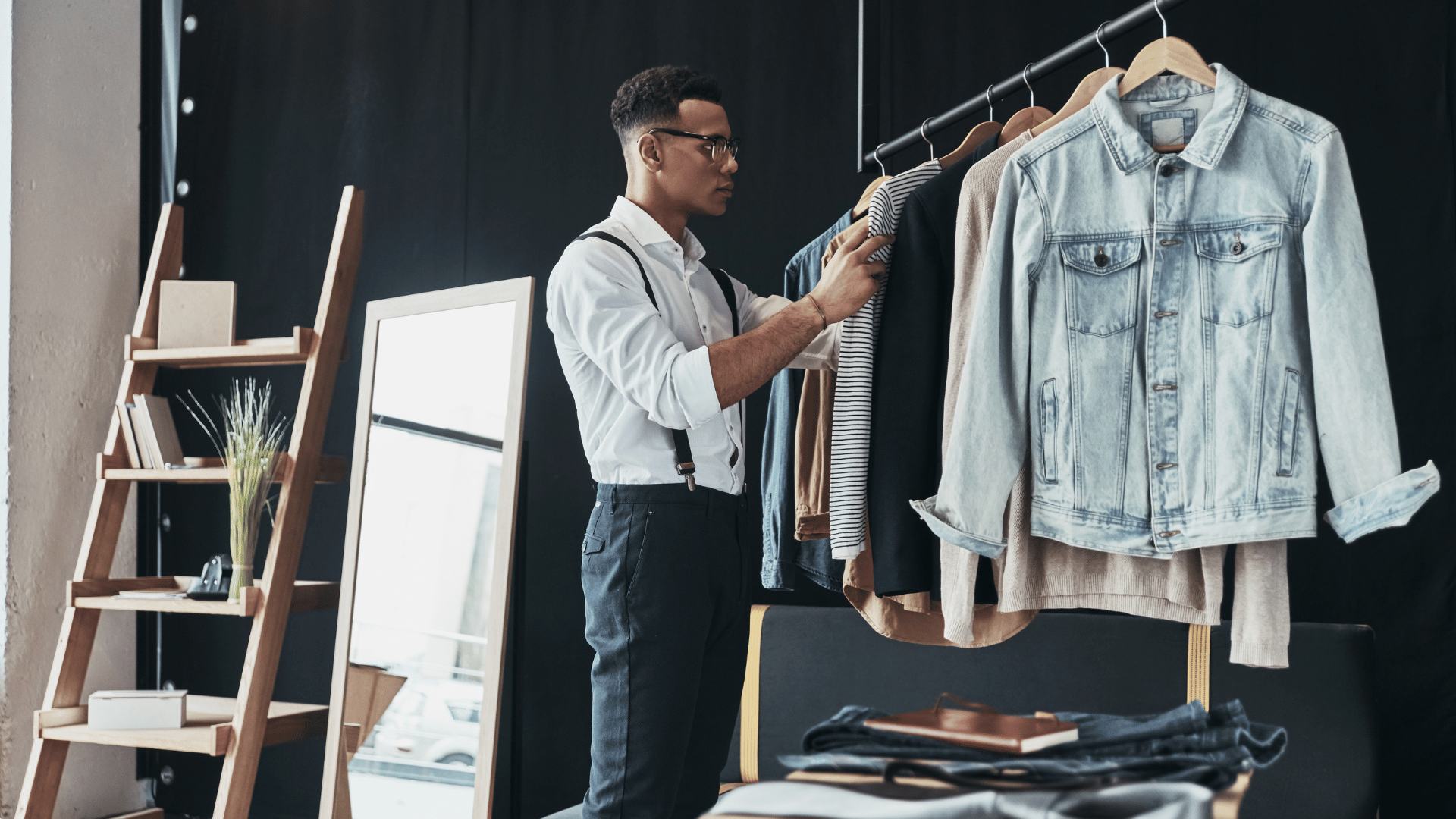
Men’s fashion has undergone a dramatic transformation in recent years, with evolving trends that blend classic styles with modern influences. From the resurgence of streetwear to the increasing focus on sustainability, men’s fashion is diversifying in exciting ways. The following is a breakdown of the most prominent developments in men’s fashion today.
1. The Rise of Streetwear Culture
Streetwear has evolved from a niche subculture into a global fashion phenomenon. Brands like Supreme, Off-White, and Yeezy have made waves in the industry, blurring the lines between high fashion and street style. Men’s fashion has embraced the casual, comfortable aesthetics of streetwear, integrating elements like oversized hoodies, graphic tees, and sneakers into everyday looks.
This trend has been particularly influential in shaping younger generations’ approach to dressing. What was once considered unconventional or rebellious has become mainstream, with fashion houses such as Louis Vuitton collaborating with streetwear designers. The demand for these types of garments reflects an ongoing shift toward relaxed, yet stylish, clothing choices.
Streetwear’s impact on men’s fashion has also been marked by a focus on logos and bold graphics. Whether it’s a bold statement tee or branded footwear, these pieces are designed to showcase individuality and brand allegiance.
2. Sustainability in Men’s Fashion
As with many other areas of fashion, sustainability is making waves in men’s fashion. With consumers becoming more environmentally conscious, the demand for eco-friendly fabrics, ethical production practices, and sustainable business models has surged. Designers are increasingly using organic materials like hemp, organic cotton, and recycled polyester to minimize the fashion industry’s environmental footprint.
Sustainable fashion for men doesn’t just stop at materials. Many brands are adopting circular economy models, where clothes are designed for longevity and can be repaired or recycled at the end of their lifecycle. Popular fashion labels like Patagonia, Allbirds, and Stella McCartney are leading the charge, ensuring that sustainability is a key part of their collections.
Additionally, second-hand shopping and vintage finds have become increasingly popular, with younger consumers seeking unique, sustainable alternatives to fast fashion. Online platforms like Depop and Poshmark have made it easier for men to access preloved fashion, helping to combat the growing problem of textile waste.
3. The Return of Tailoring
Though casual and streetwear styles dominate much of men’s fashion today, tailored clothing is making a significant comeback. In recent years, tailored suits have returned to the spotlight, thanks to their association with professionalism, refinement, and timeless elegance. However, modern tailoring has adapted to contemporary tastes, with a more relaxed and slightly oversized fit compared to the more structured silhouettes of the past.
Men’s fashion has embraced a versatile approach to tailoring, with suits now being worn with sneakers or graphic tees for a more casual, yet sharp, look. The traditional notion of “dressing up” has evolved, and today, the key is mixing formal pieces with casual elements to create an effortlessly stylish ensemble.
4. Gender Fluidity and Fashion
Men’s fashion is increasingly embracing gender fluidity, breaking down traditional barriers that once defined men’s and women’s clothing. Designers are becoming more inclusive, showcasing collections that transcend gender norms and promote a more fluid approach to style.
This shift is particularly noticeable in high fashion, where male models are often seen wearing garments that would traditionally be associated with women’s fashion, such as skirts, blouses, and high heels. Celebrities like Harry Styles and Billy Porter have further popularized gender-neutral fashion, leading to greater acceptance and exploration of styles that allow men to express themselves beyond societal expectations.
This movement in men’s fashion highlights the growing desire for individuality, allowing men to experiment with their personal style in ways that feel authentic to them.
5. Tech-Infused Fashion
Technology continues to reshape the fashion industry, and men’s fashion is no exception. From smart textiles to wearable tech, innovation is becoming more integrated into everyday clothing. Brands like Samsung and Google have collaborated with fashion companies to create smart clothing that tracks fitness, monitors health, and even responds to the wearer’s needs.
In addition to functionality, tech-inspired aesthetics are also gaining traction. The concept of “techwear,” characterized by functional, futuristic clothing made with high-tech fabrics, has become a major influence in men’s fashion. These garments often feature water-resistant materials, utility pockets, and sleek, minimalist designs, making them both practical and stylish.
As technology continues to advance, we can expect to see even more innovation in fashion, including clothing with built-in LED lights, garments that adjust to temperature changes, and materials that are self-healing or responsive to environmental stimuli.
6. Athleisure and Casual Comfort
Athleisure is one of the most enduring trends in men’s fashion over the past decade, reflecting a broader cultural shift towards casual, comfort-oriented clothing. With more men opting for gym-ready attire as part of their daily wardrobe, athleisure has evolved into a staple of modern men’s fashion.
Brands like Nike, Adidas, and Under Armour are leading the charge, creating versatile pieces that can transition seamlessly from the gym to casual outings. Joggers, tracksuits, and performance-driven jackets have become common in everyday outfits, often paired with designer sneakers or streetwear staples.
The ongoing popularity of athleisure reflects a greater emphasis on comfort, practicality, and a healthy lifestyle, with activewear serving as both a functional and fashionable option for the modern man.
Conclusion
The current men’s fashion landscape is an exciting blend of past influences, modern innovations, and progressive ideas. From the rise of streetwear to the growing demand for sustainability, the industry continues to evolve to meet the needs of today’s consumers. Whether through tailored suits or athleisure, men’s fashion offers an ever-expanding variety of styles for all occasions and preferences.
As fashion becomes more inclusive, sustainable, and tech-driven, the future of men’s fashion looks promising, offering endless possibilities for personal expression and creative innovation.